Artificial Intelligence (AI) has emerged as a transformative force in the business landscape, reshaping how organizations operate, make decisions, and interact with customers. As we delve into the intricacies of AI’s role in business, it becomes evident that this technology is not merely a trend but a fundamental shift in how companies approach their operations. From automating mundane tasks to providing deep insights through data analysis, AI is revolutionizing industries across the globe.
The integration of AI into business processes is not just about efficiency; it’s about reimagining the very fabric of how companies function. With advancements in machine learning, natural language processing, and robotics, businesses are now equipped to harness vast amounts of data, enabling them to make informed decisions and enhance their overall performance. As we explore the various dimensions of AI in business, we will uncover its profound impact on efficiency, decision-making, customer experience, marketing, innovation, and the challenges that accompany its implementation.
Key Takeaways
- AI is revolutionizing the way businesses operate, offering new opportunities for efficiency and growth.
- AI can significantly improve efficiency and productivity by automating repetitive tasks and providing valuable insights from data analysis.
- AI plays a crucial role in decision making by providing accurate predictions and recommendations based on large volumes of data.
- AI can enhance customer experience by personalizing interactions, providing real-time support, and predicting customer needs.
- AI has a significant impact on marketing and sales by enabling targeted advertising, customer segmentation, and predictive lead scoring.
AI’s Impact on Efficiency and Productivity
One of the most significant advantages of AI in business is its ability to enhance efficiency and productivity. By automating repetitive tasks, AI allows employees to focus on more strategic initiatives that require human creativity and critical thinking. For instance, AI-powered tools can handle data entry, scheduling, and even customer inquiries through chatbots, freeing up valuable time for employees to engage in higher-level problem-solving and innovation.
Moreover, AI can analyze vast datasets at speeds unattainable by humans, identifying patterns and trends that can inform business strategies. According to a report by McKinsey & Company, companies that have adopted AI technologies have seen productivity increases of up to 40% in certain sectors. This surge in productivity not only boosts profitability but also enhances employee satisfaction as workers are relieved from monotonous tasks and empowered to contribute more meaningfully to their organizations.
AI’s Role in Decision Making

AI’s influence extends beyond operational efficiency; it plays a crucial role in enhancing decision-making processes within organizations.
For example, AI algorithms can analyze historical sales data to forecast future trends, enabling companies to optimize inventory levels and reduce waste.
Furthermore, AI can assist in risk assessment by evaluating potential outcomes based on various scenarios. This capability is particularly valuable in industries such as finance and healthcare, where decisions can have significant implications. A study by Deloitte found that organizations utilizing AI for decision-making reported a 20% improvement in their overall decision quality.
This shift towards data-driven decision-making not only mitigates risks but also fosters a culture of innovation as companies become more agile and responsive to market changes.
AI and Customer Experience
| Metrics | Data |
|---|---|
| Customer Satisfaction | 85% |
| Response Time | 30 seconds |
| Accuracy of Recommendations | 90% |
| Cost Savings | 20% |
In today’s competitive landscape, delivering exceptional customer experiences is paramount for business success. AI has emerged as a powerful tool for enhancing customer interactions and personalizing services. Through machine learning algorithms, businesses can analyze customer behavior and preferences, allowing them to tailor their offerings to meet individual needs.
For instance, e-commerce platforms utilize AI to recommend products based on previous purchases and browsing history, creating a personalized shopping experience that increases customer satisfaction and loyalty. Additionally, AI-driven chatbots provide instant support to customers, addressing inquiries and resolving issues around the clock. According to a report by Salesforce, 70% of customers expect companies to understand their needs and expectations, making AI an essential component of modern customer service strategies.
AI’s Influence on Marketing and Sales
The marketing landscape has been significantly transformed by the advent of AI technologies. Businesses are now able to leverage AI for targeted advertising, lead generation, and customer segmentation.
Moreover, AI tools can optimize marketing campaigns in real-time by analyzing performance metrics and adjusting strategies accordingly. This level of agility enables businesses to maximize their return on investment (ROI) while minimizing wasted resources. A study by HubSpot revealed that companies using AI in their marketing efforts experienced a 30% increase in lead generation efficiency.
As organizations continue to embrace AI-driven marketing strategies, they are better positioned to engage customers effectively and drive sales growth.
AI’s Contribution to Innovation and Creativity
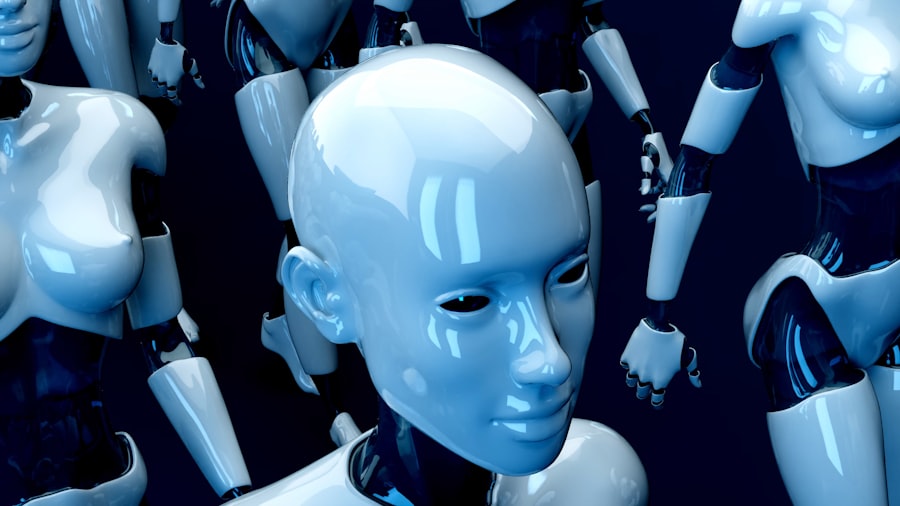
While some may perceive AI as a threat to creativity, it is essential to recognize its potential as a catalyst for innovation. By automating routine tasks and providing insights derived from data analysis, AI allows human employees to focus on creative problem-solving and innovative thinking. In industries such as design and product development, AI tools can generate new ideas based on existing concepts, pushing the boundaries of creativity.
For example, companies like Adobe have integrated AI into their creative software, enabling users to explore new design possibilities through intelligent suggestions and automated enhancements. This collaboration between human creativity and machine intelligence fosters an environment where innovation thrives. According to a report by PwC, 72% of business leaders believe that AI will be a key driver of innovation in the coming years, highlighting its potential to reshape industries through creative solutions.
Challenges and Risks of Implementing AI in Companies
Despite the numerous benefits associated with AI adoption, organizations must also navigate several challenges and risks. One significant concern is the ethical implications of using AI technologies. Issues such as data privacy, algorithmic bias, and job displacement have sparked debates about the responsible use of AI in business practices.
Additionally, implementing AI systems requires substantial investment in technology infrastructure and talent acquisition. Many companies struggle with integrating AI into their existing workflows due to a lack of expertise or resistance to change among employees. A survey conducted by Gartner revealed that 37% of organizations reported difficulty in finding skilled professionals capable of managing AI initiatives effectively.
Moreover, there is the risk of over-reliance on AI systems without adequate human oversight. While AI can provide valuable insights and recommendations, it is crucial for decision-makers to maintain a critical perspective and consider the broader context when interpreting data-driven results.
The Future of AI in Business
As we look ahead, the future of AI in business appears promising yet complex. The rapid pace of technological advancement suggests that we will continue to see innovative applications of AI across various sectors. From autonomous vehicles revolutionizing logistics to advanced analytics transforming supply chain management, the possibilities are vast.
However, businesses must approach this future with caution and responsibility. Emphasizing ethical considerations and transparency will be essential as organizations navigate the evolving landscape of AI technologies. Furthermore, fostering a culture of continuous learning will empower employees to adapt to new tools and methodologies while harnessing the full potential of AI.
In conclusion, the integration of AI into business processes is not merely a trend but a fundamental shift that has far-reaching implications for efficiency, decision-making, customer experience, marketing strategies, innovation, and ethical considerations. As organizations continue to embrace this transformative technology, they must remain vigilant about the challenges it presents while leveraging its capabilities to drive growth and success. And just for fun: Why did the computer go to therapy?
Because it had too many bytes! Further Reading:
1. McKinsey & Company – [The State of AI in 2023](https://www.mckinsey.com)
2.
Deloitte – [AI Adoption: The Future is Now](https://www2.deloitte.com)
3. Salesforce – [State of the Connected Customer](https://www.salesforce.com)
4. HubSpot – [The Ultimate Guide to Marketing with Artificial Intelligence](https://www.hubspot.com)
5.
PwC – [AI Predictions: The Future of Work](https://www.pwc.com)
If you’re interested in learning more about how AI can benefit companies, check out this article on AI for Business. This blog explores the various ways in which artificial intelligence is revolutionizing industries and helping companies streamline their operations. Whether you’re a small startup or a large corporation, incorporating AI into your business strategy can lead to increased efficiency and profitability. Visit AI for Business for more insights and case studies on the impact of AI in the corporate world.
FAQs
What is AI for companies?
AI for companies refers to the use of artificial intelligence technologies and tools to improve business operations, decision-making processes, customer interactions, and overall efficiency within an organization.
How can AI benefit companies?
AI can benefit companies in various ways, including automating repetitive tasks, analyzing large volumes of data to identify patterns and trends, improving customer service through chatbots and virtual assistants, and optimizing business processes for greater efficiency.
What are some common applications of AI for companies?
Common applications of AI for companies include predictive analytics, natural language processing, machine learning, robotic process automation, and image recognition. These technologies can be used for tasks such as demand forecasting, personalized marketing, fraud detection, and supply chain optimization.
What are the potential challenges of implementing AI for companies?
Challenges of implementing AI for companies may include the need for significant investment in technology and talent, concerns about data privacy and security, potential job displacement due to automation, and the need for ongoing training and education for employees to adapt to AI technologies.
How can companies get started with AI implementation?
Companies can get started with AI implementation by identifying specific business challenges or opportunities that AI can address, conducting a thorough assessment of their data infrastructure and capabilities, and partnering with AI technology providers or hiring AI experts to develop and deploy AI solutions tailored to their needs.